
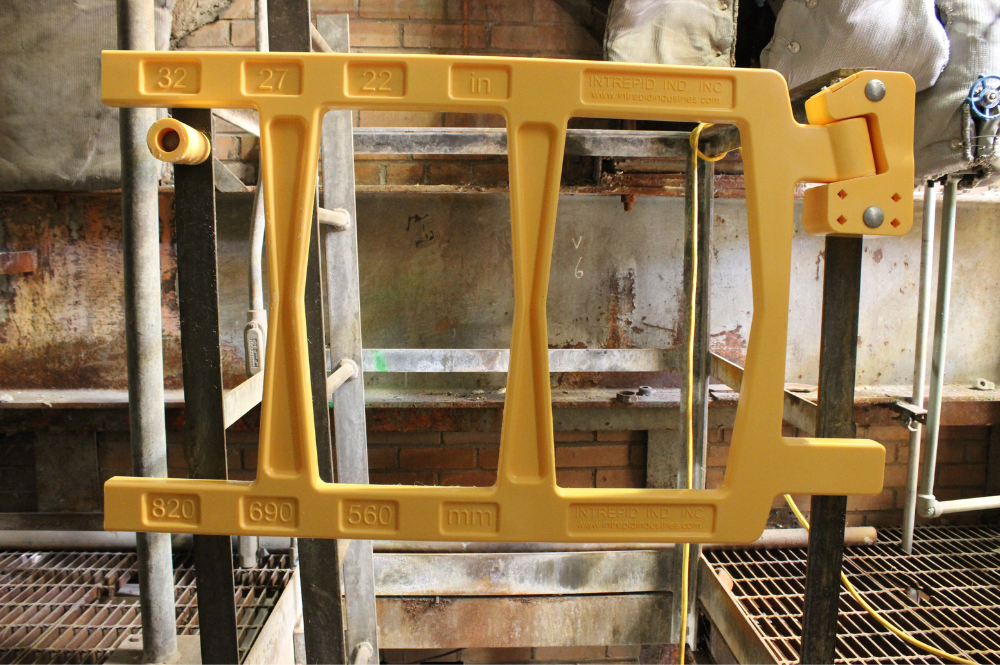
Walk through an industrial facility and you’ll notice how many access points, ladder openings, and elevated platforms require protection. These areas may seem routine, yet they are where many workplace injuries begin. Understanding types of safety gates osha helps safety managers choose the right solution to reduce risk and maintain compliance.
Different industrial safety gate types are designed for specific applications and hazards
OSHA-compliant safety gates support fall protection at floor openings and elevated platforms
Self closing designs help maintain continuous protection without relying on workers
Proper installation and testing ensure gates meet OSHA standards
The right system helps protect workers and reduce long-term safety risks
In industrial environments, fall protection is not optional. OSHA standards require that guardrail systems or other protective measures are in place wherever there is a fall risk from a walking working surface.
Safety gates are designed to secure openings in guardrails, especially at ladder access points, mezzanines, and elevated platforms. They act as a physical barrier that helps prevent falls and ensures workers remain protected when moving through a facility.
OSHA guidance under 29 CFR 1910.29 outlines expectations for guardrail systems, including requirements for top rail height, mid rail placement, and strength. Gates must integrate into this system and provide a safety equivalent to the surrounding railing.
Not all safety gates are built for the same job. The environment, equipment, and level of access all influence which design is most effective.
Self closing safety gates are one of the most widely used options in industrial settings. These gates automatically return to the closed position, providing continuous protection at access points.
They are commonly installed at ladder openings, mezzanines, and elevated work surfaces where workers frequently move between levels. A self closing gate reduces the risk of human error and helps ensure protection remains in place at all times.
These gates are typically mounted to posts, walls, or guardrails and can be installed quickly, often by a single crew member. Their ability to close without manual effort makes them a practical choice for busy environments.
Swing safety gates are a standard solution for many industrial applications. These gates open in a single direction and are commonly used in areas with consistent access needs.
Metal swing gates are often selected for their strength and durability. Built from high-strength materials, they are capable of withstanding repeated use and environmental exposure. In many cases, they are powder coated safety yellow for visibility and corrosion resistance.
To meet OSHA expectations, these gates must swing away from the opening and be capable of withstanding a force of at least 200 pounds applied in a downward or outward direction.
Double bar safety gates are designed to align closely with guardrail systems by providing both a top rail and mid rail structure. This helps ensure guardrail systems meet OSHA requirements for coverage and protection.
These gates are often used in high-risk areas where maintaining structural integrity is critical. By incorporating equivalent intermediate members, they provide additional stability and support.
They are a strong option for facilities where fall protection must remain consistent, especially at elevated access points.
Adjustable safety gates are useful when dealing with openings that fall outside standard dimensions. These gates can be modified on-site to fit specific widths, making them ideal for retrofit projects.
They are commonly used in industrial facilities where layouts change or where equipment placement creates irregular openings. When properly installed, they still meet OSHA standards for strength and protection.
Machine guarding safety gates are used to control access to hazardous equipment and protect workers from injury. These gates are part of a broader safety system that limits entry to dangerous areas while maintaining operational flow.
They are often installed near machinery, automated systems, and high-risk work zones. In these environments, controlling access is essential to prevent injury and ensure compliance with OSHA standards.
To comply with OSHA standards, safety gates must meet specific criteria related to strength, dimensions, and functionality.
The top rail must typically be set at 42 inches, with a mid rail positioned at height midway between the top edge and the walking surface. This ensures full coverage and proper fall protection.
Gates must be capable of withstanding a force of at least 200 pounds, helping ensure structural integrity during normal use. Openings within the gate should not exceed 19 inches in their smallest dimension to prevent falls.
OSHA also expects gates to swing or slide away from the hazard. This design reduces the chance of accidental entry and improves safety during use.
Regular inspection and testing are essential. Gates should be checked to ensure they close properly, remain securely mounted, and continue to meet strength requirements over time.
Selecting the right solution depends on how your facility operates.
High-traffic areas benefit from self closing designs that provide continuous protection. Loading zones and mezzanines often require double-bar configurations to maintain coverage during material handling.
In tight spaces, adjustable or slide-style gates may be more effective. For areas with heavy equipment or frequent use, durable swing gates provide reliable performance.
Safety managers should evaluate each work area carefully, considering access patterns, fall hazards, and environmental conditions. The right gate helps protect employees, reduce risk, and support long-term compliance.
Intrepid® safety gates are designed with these real-world conditions in mind. Their gravity-closing operation helps maintain protection while minimizing maintenance and ensuring consistent performance.
Choosing the right safety gate is about more than checking a box. It is about creating a safer environment where workers can move confidently and perform their duties without unnecessary risk.
The right combination of guardrails, gates, and fall protection planning helps prevent falls and reduce workplace injuries.
If you are evaluating your current setup or planning improvements, connect with Intrepid to find a solution that fits your facility and supports your safety goals.
These safety gates are designed to meet OSHA standards for fall protection and hazard control. They help protect workers at elevated surfaces and restricted access points.
Common types include self-closing gates, swing gates, double-bar gates, adjustable gates, and machine guarding safety gates.
They are installed at ladder openings, mezzanines, elevated platforms, and areas with hazardous equipment.
Safety gates must be capable of withstanding at least 200 pounds of force to meet OSHA standards.
Regular inspection, testing, and proper installation help ensure gates continue to meet OSHA requirements and function correctly.